
NODC 2027 Courses
This page is in progress! We will add new speakers and courses over time, so check back soon!
Thursday, April 8, 2027
.png?sfvrsn=5b4a0ec_0 "Speaker headshots (5)")
Dr. Brian Goodacre
3 clinical C.E. hours per course
AM Course: Clinical Workflows for Digital Dentures: Scanning, Milling & Printing
Lecture Title: Clinical Workflows for Digital Dentures: Scanning, Milling & Printing
Of Interest To:
- Dentists
- Laboratory Technicians
Objectives:
- Review clinical workflows for digital dentures
- Discuss how to utilize intraoral scanners to streamline your digital denture workflow
- Compare 3D printed and milled denture properties
Synopsis:
Since the introduction of digital dentures, many aspects have improved. Such improvements include streamlined workflows, easy-to-use software, and new and improved manufacturing techniques. This presentation will demonstrate the clinical workflows and discuss the benefits and limitations of using these emerging techniques. Additionally, it is widely known that 3D-printed complete dentures are becoming a viable option, but how do they compare to milled dentures? This lecture will compare the physical properties of milled and printed complete dentures to help determine their best applications.
PM Course: The Art and Science of Implant Overdentures
Lecture Title: The Art and Science of Implant Overdentures
Of Interest To:
- Dentists
Objectives:
- Understand the benefits of implant overdentures
- Discuss the complications faced in clinical practice
- Review the clinical implant overdenture workflow
Synopsis:
Treating edentulous patients can be an overwhelming process with patients lacking the retention and confidence they desire. Implant overdentures can be an ideal option to help improve the quality of life of these patients. This presentation will discuss the benefits and challenges that will be faced with overdentures and review the clinical workflow to help demystify implant overdentures.
Meet Dr. Goodacre
Dr. Brian J. Goodacre received his DDS degree from Loma Linda University School of Dentistry and completed a four-and-a-half-year combined program in Prosthodontics and Implant Dentistry at the same University, earning an MSD degree. He is a board-certified prosthodontist and the director of clinical technologies for Nobel Biocare North America and an adjunct professor at Loma Linda University School of Dentistry. Dr. Goodacre lectures both nationally and internationally on topics related to digital dentistry, prosthodontics, and implant dentistry. He maintains a private practice located in Upland, California, where he practices with his father and classmate.
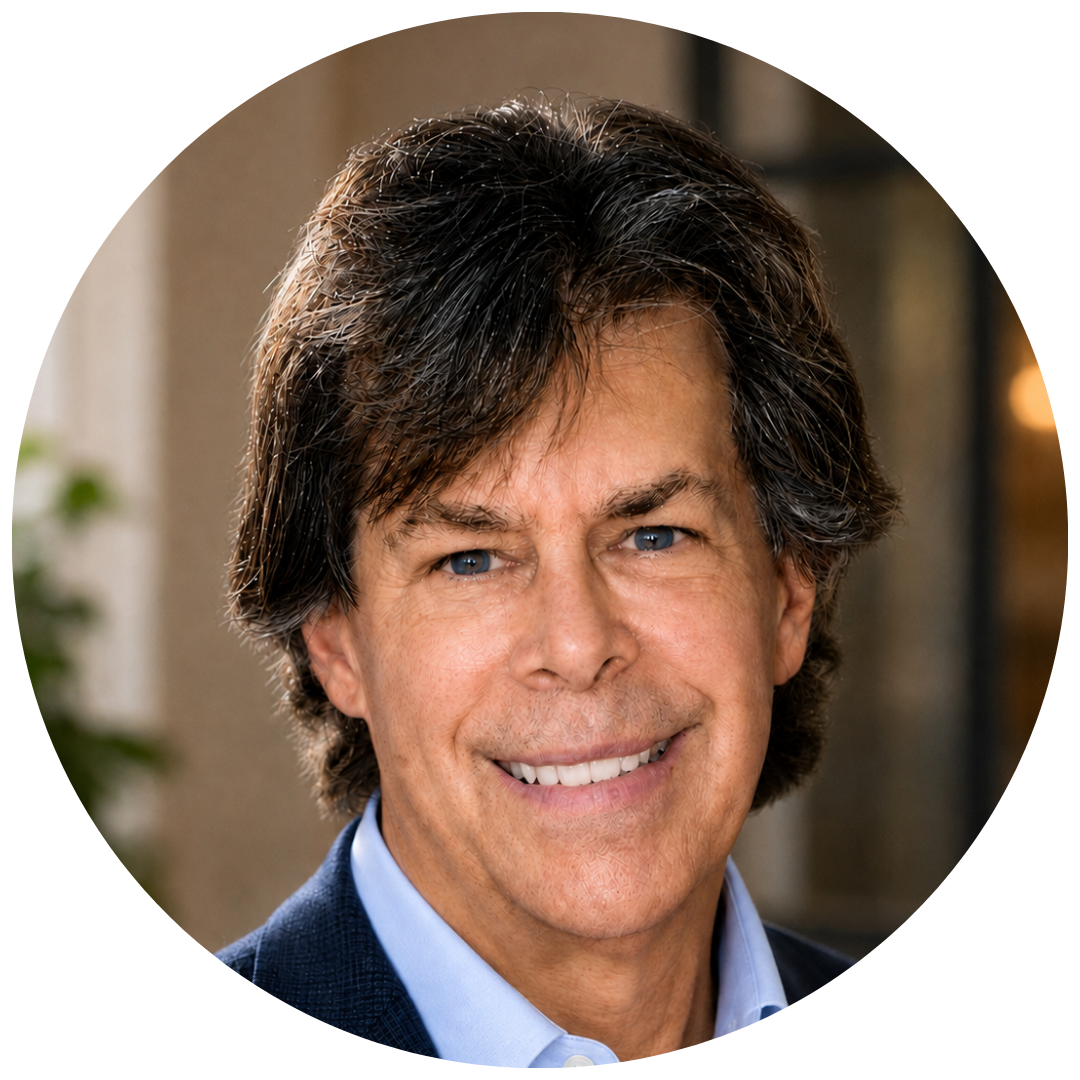
Dr. Richard Madow
3 non-clinical C.E. hours per course
AM Course: The WOW Practice: How Memorable Experiences Create Thriving Practices
Course Title: The WOW Practice: How Memorable Experiences Create Thriving Practices
Of Interest To:
- Dentists
- Hygienists
- Chairside/clinical assistants
- Laboratory technicians
- Business assistant/office managers
- Spouses
Learning Objectives:
At the conclusion of this course, attendees will be able to:
1. Identify key moments in the patient journey that influence loyalty, referrals, treatment acceptance, and long-term practice growth.
2. Implement specific systems for creating an exceptional new-patient experience, improving scheduling, and increasing patient retention and referrals.
3. Apply practical communication and financial strategies that improve case acceptance while creating a more patient-centered and enjoyable practice environment.
Course Description:
We all want patients who say “yes” to treatment, show up on time, reappoint consistently, refer their friends and family, and genuinely love being part of the practice. The good news? Creating that kind of patient doesn’t require gimmicks, expensive technology, or turning your practice upside down.
It starts with creating an unforgettable patient experience.
In this fun, fast-paced course, Dr. Richard Madow takes a deep dive into the little things — and the big things — that transform an ordinary dental office into a WOW Practice: highly productive, extremely profitable, patient-centered, team-oriented, and FUN.
From the very first phone call through the new-patient visit, treatment presentation, financial arrangements, scheduling, referrals, and beyond, you’ll discover practical strategies that can be put to use immediately. You’ll learn how to create patients who don’t just accept treatment — they stay, pay, refer, and become enthusiastic ambassadors for your practice.
And yes — you’ll probably laugh more than you ever thought possible at a dental seminar!
Here are just some of the things attendees will learn:
- The biggest mistake made when a new patient calls — and how fixing it can help you appoint more patients immediately.
- Six steps to turn a patient’s first visit into a loyalty and referral machine.
- The “magic phrase” that MUST be said at every new-patient appointment.
- How to get tons of referrals without begging, pleading, or sounding desperate!
- Forget the traditional patient “night call.” Here’s what to do instead — and why it works so much better.
- The supercharged, patient-friendly exam that gets patients asking about treatment before you even recommend it!
- Is your practice “calibrated”? If not, you could be losing patients and treatment without even realizing it.
- Why not collect 100%? A simple financial policy that’s better for your patients, your team, and your bottom line.
- Five things that are probably wrong with your dental website — and how to fix them immediately.
- Why the “new patient fix” is so dangerous — and how to stop depending on an endless stream of new patients for practice growth.
- Happy team, happy patients, happy doctor? How to create a culture that makes all three possible.
- Simple ways to lower stress, avoid burnout, and enjoy practicing dentistry more than ever.
- And much, much more!
PM Course: Love Dentistry, Have Fun, and Prosper: Simple Strategies to Grow Your Practice, Reduce Stress, and Enjoy Dentistry Again!
Course Title: Love Dentistry, Have Fun, and Prosper: Simple Strategies to Grow Your Practice, Reduce Stress, and Enjoy Dentistry Again!
Of Interest To:
- Dentists
- Hygienists
- Chairside/clinical assistants
- Laboratory technicians
- Business assistant/office managers
- Spouses
Learning Objectives:
At the conclusion of this course, attendees will be able to:
- Use specific communication techniques to improve treatment acceptance and respond more effectively to common patient questions and objections.
- Implement practical systems to reduce cancellations, improve scheduling and reactivation, control overhead, and increase practice productivity.
- Recognize common behaviors that contribute to professional frustration and burnout and apply strategies for creating a more positive, enjoyable, and sustainable practice environment.
Course Description:
What if your practice could be more productive and profitable — and more enjoyable?
In this high-energy, highly practical course, Dr. Richard Madow shares proven strategies for solving some of the most frustrating problems in dentistry: patients who say “no” to treatment, last-minute cancellations, inefficient scheduling, ineffective reactivation, high overhead, and the everyday habits that quietly hold practices back.
You’ll learn simple techniques for improving case acceptance, strengthening patient communication, keeping the schedule full, reducing unnecessary expenses, and creating a happier, more effective team.
But practice success isn’t just about production numbers. Dentistry should also provide an enjoyable and fulfilling career. That’s why this course goes beyond practice growth to tackle something just as important: how to avoid burnout, maintain perspective, and actually love dentistry.
Packed with immediately usable ideas, memorable stories, humor, and even a little music, this is definitely not your typical dental seminar!
Here are just some of the things attendees will learn:
- Why patients really say “no” to treatment — and what you can do to change that forever.
- The “Ninety-Second, No-Pressure, $25,000 Treatment Plan” — a simple technique that can dramatically increase case acceptance.
- The absolute best answer when a patient asks, “How long will this last?” Hint: it can turn that question into “Let’s schedule it!”
- Eight dental phrases we all say that should be banned immediately — and what to say instead.
- The first thing to do when someone calls to cancel. It may seem counterintuitive, but it can save up to 90% of these appointments.
- Dr. Madow’s special secret for NEVER running late — and why staying on time is good for your patients, your team, and your sanity!
- How to make your reactivation campaign actually work — and why most reactivation efforts fail.
- One simple phone call that can lower your overhead by thousands of dollars every month.
- Ten “Dumb Things” dentists and team members do that hurt productivity, profitability, and enjoyment — and how to stop doing them!
- Why more production doesn’t necessarily mean more success — and how to focus on what really matters.
- The myth of “work/life balance” — and a better way to find happiness in dentistry and life.
- An amazing story that just might change the way you look at dentistry forever.
- Plus many more practice-growth strategies you can put to use as soon as you get back to the office.
Meet Dr. Madow
Dr. Richard Madow: Dental Success Visionary and Award-Winning Speaker
Dr. Richard Madow is a trailblazer in helping dentists achieve unparalleled success and fulfillment in their practices. Recognized as a perennial “Leader in Dental Education” by Dentistry Today, his insights have reached over 100,000 dental practices worldwide through his highly influential publications, articles, and blogs.
With his unique blend of humor and spontaneity, Rich has captivated standing-room-only audiences across North America, inspiring dental teams to redefine their careers, elevate practice performance, and infuse joy into every day.
An award-winning musician and songwriter who has performed at venues throughout North America, a seasoned traveler who has explored over 65 countries, and author of Amazon bestseller “Creating Your Ideal Dental Practice,” Dr. Rich has cemented his status as a multi-faceted leader in both dentistry and life.
He can be reached at rich@madow.com
.jpg?sfvrsn=943af37f_0 "Speaker headshots (8)")
Dr. Stanley Malamed
3 clinical C.E. hours per course
PM Course: The A, B, C Protocol for more effective, more comfortable, and safer pain control
Course Title: The A, B, C Protocol for more effective, more comfortable, and safer pain control
Of Interest To:
- Dentists
- Hygienists
Description: Patients do not want to experience pain during their dental treatment. Fortunately, local anesthesia forms the backbone of pain control techniques in dentistry. Local anesthetics are the safest and most effective drugs for the prevention and management of pain. Yet, on occasion, achieving profound anesthesia painlessly can be challenging. This is especially true when treating pulpally involved teeth. In this program we will discuss a means to making dental local anesthetic injections both more effective, more comfortable, and safer – the new A, B, C’s of dental pain control. Articaine; Buffering and Cold testing to ensure pulpal anesthesia.
Learning objectives: On successful completion of this program the enrollee should be able to:
1. Discuss the advantages of articaine HCl compared with other dental local anesthetics
2. List 3 advantages of buffering local anesthetics
3. Discuss the protocol for the use of cold testing following local anesthetic administration
Meet Dr. Malamed
Stanley F. Malamed is a dentist anesthesiologist and emeritus professor of dentistry at the Herman Ostrow School of Dentistry, located in Los Angeles, California, USA. Dr. Malamed graduated from the New York University College of Dentistry in 1969 and then completed a residency in anesthesiology at Montefiore Hospital and Medical Center in the Bronx, New York, before serving for 2 years as a captain in the U.S. Army Dental Corps at Ft. Knox, Kentucky. In 1973, he joined the faculty of the University of Southern California School of Dentistry (now the Herman Ostrow School of Dentistry of U.S.C). Dr. Malamed retired from full-time teaching at the university in 2013.
Dr. Malamed is a Diplomate of the American Dental Board of Anesthesiology; a recipient of the Heidebrink Award [1996] from the American Dental Society of Anesthesiology; the Horace Wells Award from the International Federation of Dental Anesthesia Societies, 1997 (IFDAS), and the Leonard M. Monheim Distinguished Service Award from the American Society of Dentist Anesthesiologists (2015).
Doctor Malamed has authored more than 190 scientific papers and 17 chapters in various medical and dental journals and textbooks in the areas of physical evaluation, emergency medicine, local anesthesia, sedation and general anesthesia.
In addition, Dr. Malamed is the author of three widely used textbooks, published by Elsevier: Handbook of Medical Emergencies in the Dental Office (9th edition 2027); Handbook of Local Anesthesia (8th edition 2027); and Sedation - a guide to patient management (7th edition 2026), as well as two interactive DVD’s: Emergency Medicine (3rd edition, 2018) and Malamed’s Local Anesthetic Technique DVD (2004) (edition 2 - 2012). The textbooks have been translated into 22 foreign-language editions.
In his spare time, Doctor Malamed is an avid runner, exercise enthusiast, and admits an addiction to the New York Times crossword puzzle, which he has continued to do daily since his freshman year in dental school (1965).
Friday, April 9, 2027
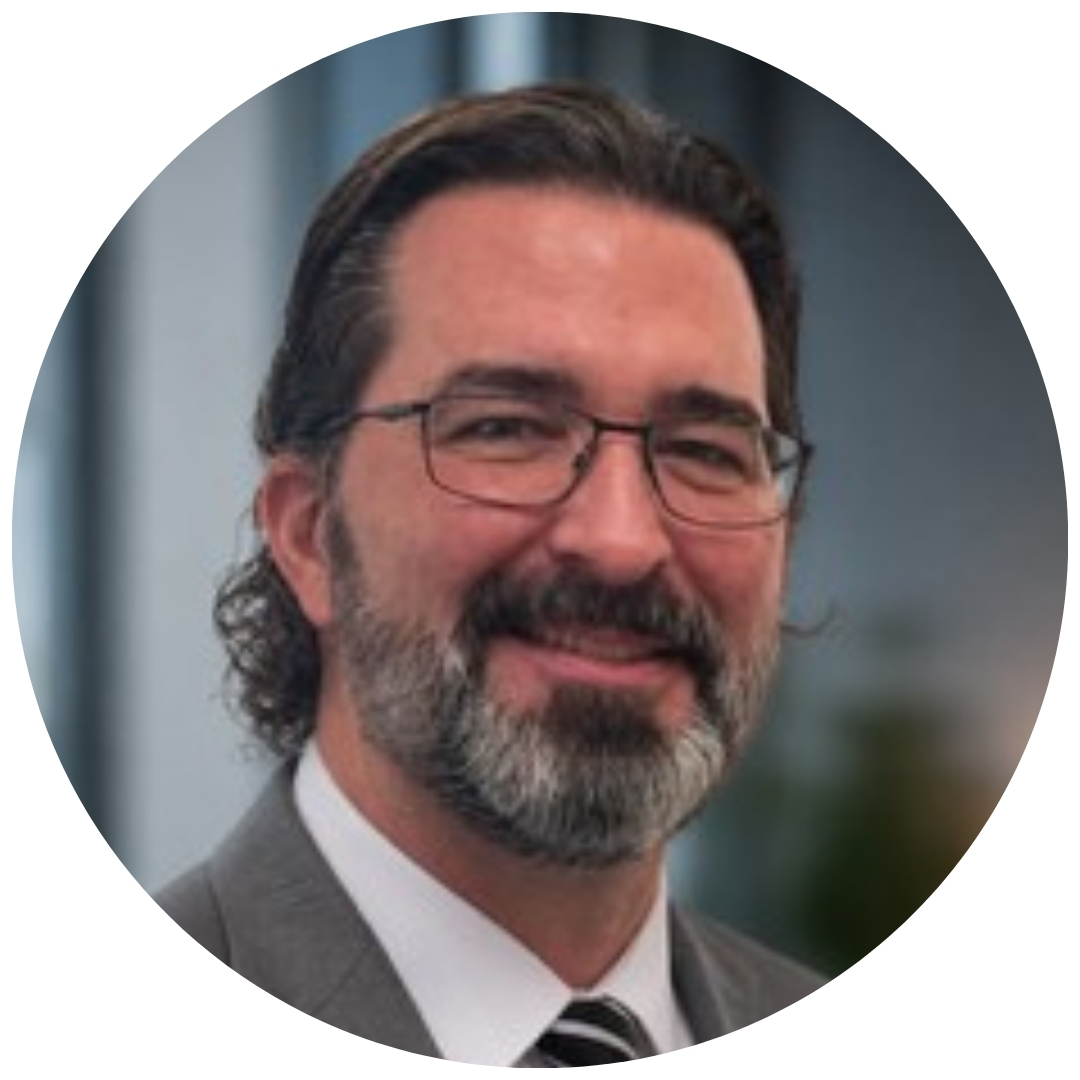
Dr. Steven Bender
3 clinical C.E. hours per course
AM Course: A No Gimmicks, No Gadgets, Approach to Sleep Medicine for the Dental Practice
Lecture Title: A No Gimmicks, No Gadgets, Approach to Sleep Medicine for the Dental Practice
Of Interest To:
- Dentists
- Hygienists
- Chairside/Clinical Assistants
Learning Objectives:
At the conclusion of this course, attendees will be able to:
1) Define and distinguish key terminology related to sleep and sleep-disordered breathing.
2) Apply an appropriate screening process for sleep-disordered breathing within the dental practice.
3) Develop confidence in the physician referral process and interdisciplinary collaboration.
4) Describe the indications, limitations, and clinical considerations of mandibular advancement device therapy, including appropriate patient selection and application in practice.
Synopsis:
Many patients with sleep-disordered breathing remain undiagnosed and untreated. Because of their ongoing role in preventive care, dental professionals are uniquely positioned to help identify patients at risk and guide them through appropriate screening and referral.
Using an evidence-based approach, this course will explore how to incorporate dental sleep medicine into everyday practice—from examination and screening to physician collaboration and treatment. Participants will also gain practical insight into patient selection and the use of mandibular advancement devices as an alternative to traditional positive airway pressure therapy. No gimmicks or gadgets—just practical, evidence-based strategies for integrating dental sleep medicine into your practice.
PM Course: The Many Faces of Orofacial Pain: Beyond TMD!
Lecture Title: The Many Faces of Orofacial Pain: Beyond TMD!
Of Interest To:
- Dentists
- Hygienists
- Chairside/Clinical Assistant
Learning Objectives:
At the conclusion of this course, attendees will:
1) Develop an understanding of the classifications of orofacial pains in order to more confidently diagnose these often confusing pain presentations.
2) Become familiar with and more comfortable in the gathering of relevant history, performing comprehensive examinations and ordering appropriate diagnostic tests for orofacial pain conditions.
3) Learn to develop comprehensive and patient-centered treatment strategies for various orofacial pain presentations by incorporating multidisciplinary approaches, pharmacological interventions, and and some cases, appropriate referral, to most effectively alleviate suffering and improve the quality of life for individuals experiencing complex orofacial pain issues.
Synopsis:
This course provides a practical, evidence-based overview of orofacial pain conditions that extend beyond temporomandibular disorders (TMD). Participants will explore a range of non-TMD conditions, including neuropathic pain, primary headache disorders, burning mouth disorder, and other orofacial pain syndromes. Through an understanding of contemporary pain classifications and clinical presentation, attendees will develop greater confidence in recognizing, differentiating, and appropriately managing—or referring—patients with complex orofacial pain.
Meet Dr. Bender
Dr. Steve Bender is a retired Associate Professor from Texas A&M University College of Dentistry in Dallas, Texas, where he directed the Facial Pain and Sleep Medicine Clinic. Currently he serves as a guest lecturer for the LSU orofacial pain residency program. He is a Diplomate of the American Board of Orofacial Pain and has earned Fellowships in the American Academy of Orofacial Pain, the American Headache Society, and the American College of Dentists. In addition, he is a past president of the American Academy of Orofacial Pain. He earned his Doctor of Dental Surgery degree from Baylor College of Dentistry in Dallas, Texas, in 1986, and then studied orofacial pain and temporomandibular disorders at the Parker E Mahan Facial Pain Center at the University of Florida College of Dentistry, Gainesville Florida from 1998 to 2000. Since that time, his practice was limited to the diagnosis and management of orofacial pains. Dr. Bender currently serves as an Associate Editor for CRANIO® The Journal of Craniomandibular & Sleep Practice. He has also published numerous peer reviewed articles and contributed multiple book chapters. Dr. Bender is a frequent invited presenter for both dental and medical conferences nationally and internationally.
Dr. Stanley Malamed
3 clinical C.E. hours per course
AM Course: 10 Minutes to Save a Life
Lecture Title: 10 Minutes to Save a Life - Emergency Medicine in Dentistry
Of Interest To:
- Dentists
- Hygienists
- Chairside/Clinical Assistant
- Laboratory Technician
- Business Assistant/Office Manager
- Spouse
Objectives:
On completing this program the attendee should be able to:
1. List and discuss the four steps in office preparation for medical
emergencies
2. List and discuss the indications for the eight basic emergency drugs
3. Discuss the basic management of medical emergencies including:
a. Unconsciousness
b. Seizures
c. Bronchospasm
d. Angina pectoris
e. Myocardial infarction
f. Cardiac arrest
Synopsis:
Life-threatening emergencies can occur anytime, anywhere and to anyone. Such situations are somewhat more likely to occur within the confines of the dental office due to the increased level of stress that is so often present.
In this course Dr. Malamed will discuss the areas which are considered vital to a proper understanding of emergency medicine: prevention, preparation, and the basics of recognition and management.
We discuss preparation of the office and staff, including a review of recommended emergency drugs and equipment. We will then review the basic management of specific emergency situations including unconsciousness, respiratory distress,
seizures, and cardiac emergencies.
This course is designed for all members of the dental office staff, not just the doctor and chairside personnel. Situations discussed here can happen outside of the dental environment as well as in the office. Everyone should be prepared!
Meet Dr. Malamed
Stanley F. Malamed is a dentist anesthesiologist and emeritus professor of dentistry at the Herman Ostrow School of Dentistry, located in Los Angeles, California, USA. Dr. Malamed graduated from the New York University College of Dentistry in 1969 and then completed a residency in anesthesiology at Montefiore Hospital and Medical Center in the Bronx, New York, before serving for 2 years as a captain in the U.S. Army Dental Corps at Ft. Knox, Kentucky. In 1973, he joined the faculty of the University of Southern California School of Dentistry (now the Herman Ostrow School of Dentistry of U.S.C). Dr. Malamed retired from full-time teaching at the university in 2013.
Dr. Malamed is a Diplomate of the American Dental Board of Anesthesiology; a recipient of the Heidebrink Award [1996] from the American Dental Society of Anesthesiology; the Horace Wells Award from the International Federation of Dental Anesthesia Societies, 1997 (IFDAS), and the Leonard M. Monheim Distinguished Service Award from the American Society of Dentist Anesthesiologists (2015).
Doctor Malamed has authored more than 190 scientific papers and 17 chapters in various medical and dental journals and textbooks in the areas of physical evaluation, emergency medicine, local anesthesia, sedation and general anesthesia.
In addition, Dr. Malamed is the author of three widely used textbooks, published by Elsevier: Handbook of Medical Emergencies in the Dental Office (9th edition 2027); Handbook of Local Anesthesia (8th edition 2027); and Sedation - a guide to patient management (7th edition 2026), as well as two interactive DVD’s: Emergency Medicine (3rd edition, 2018) and Malamed’s Local Anesthetic Technique DVD (2004) (edition 2 - 2012). The textbooks have been translated into 22 foreign-language editions.
In his spare time, Doctor Malamed is an avid runner, exercise enthusiast, and admits an addiction to the New York Times crossword puzzle, which he has continued to do daily since his freshman year in dental school (1965).
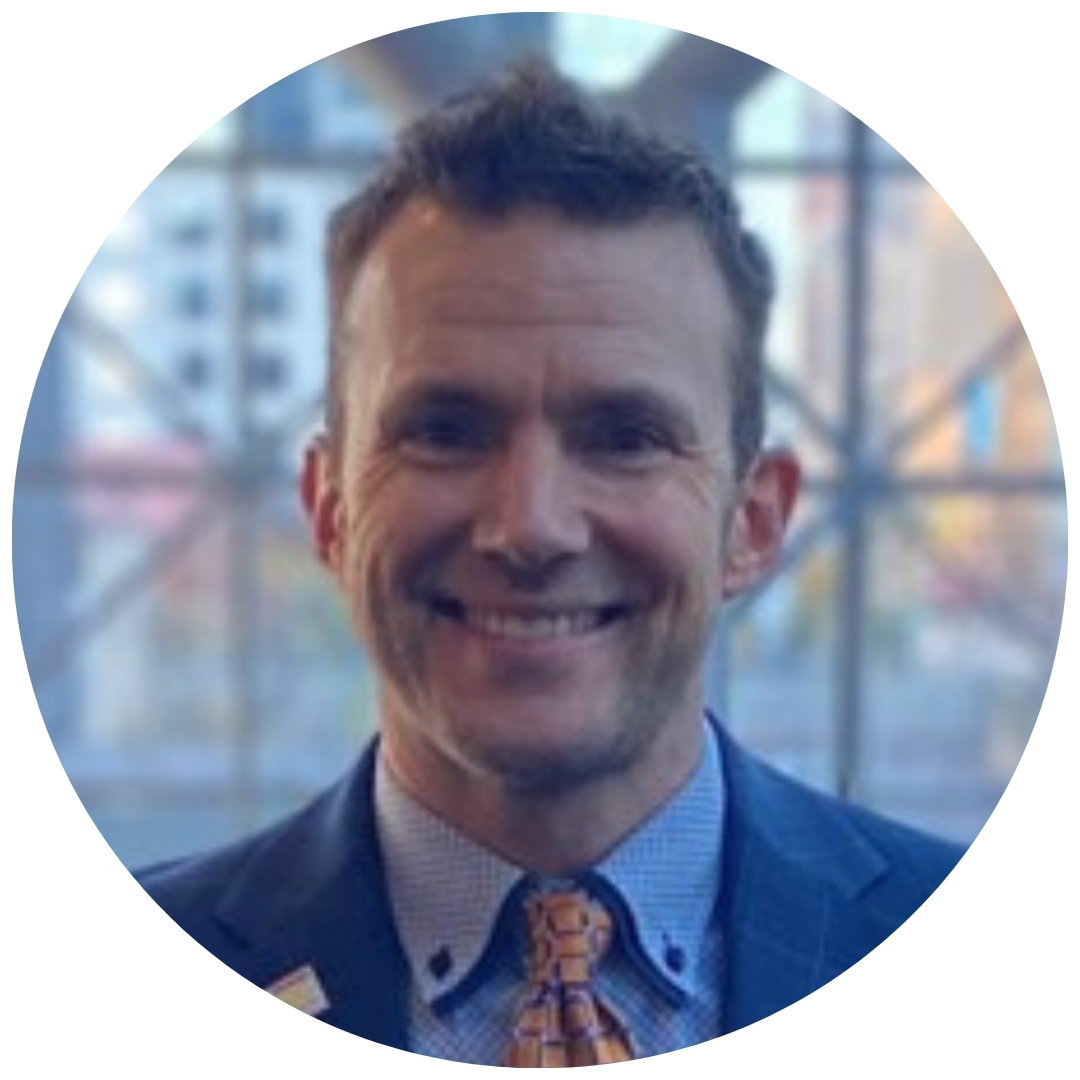
Dr. Jared Mason
3 total clinical hours for AM
3 total clinical hours for PM
AM Course #1: Managing Endodontic Emergencies:
Course Title: Managing Endodontic Emergencies
Hours: 1.5
Of Interest To:
- Dentist
- Hygienist
- Chairside/Clinical Assistant
Course Description: The goal of this lecture is to provide time-tested techniques to manage patients with a “Hot Tooth”, navigate complicated clinical diagnostics, provide options for a patient who presents in pain, and give strategies to prevent caries that extend into the pulp from becoming an endodontic urgency.
Course Objectives:
1) At the end of this presentation, the participants will be able to determine if they are treating an infection or inflammation, and which treatment should be utilized in each situation.
2) This lecture will explain the challenges of referred pain and give strategies to diagnose patients without periapical inflammation.
3) The member will understand the indications for therapeutic pulpotomy, pulpectomy, and pulpal debridement.
4) The participants will be able to understand how to safely and effectively shape the coronal portion of the canal without the fear of making a ledge.
5) The attendees will be able to compare and contrast different anesthetic strategies to get a “hot tooth” numb.
AM Course #2: Canal Instrumentation 101
Course Title: Canal Instrumentation 101
Hours: 1.5
Of Interest To:
- Dentist
- Hygienist
- Chairside/Clinical Assistant
Course Description: The goal of this lecture is to provide tips and tricks to understand how to predictably shape a canal with out the fear of ledging and transportation. It discusses when and how to modify your access, develop straight line access based on the apical anatomy and obtain working length in an efficient and effective manner. This lecture will follow up with the Managing Endodontic Emergencies lecture and the concept of instrumenting a tooth based on the pre-operative diagnosis will be discussed.
Course Objectives:
1. The participant will understand how to detect and negotiate canals, curves and connections.
2. Members will understand how to apply the AAE’s Colleagues for Excellence Shaping strategies to help them prevent challenges and complications with instrumentation.
3. The concept of straight line access and coronal modification based on the complexity of the curvatures will be explored and discussed.
4. Participants will have be able to explain when and how to obtain a predictable working length.
PM Course #1: Trauma: Fracture Injuries
Course Title: Trauma: Fracture injuries
Hours: 1
Of Interest To:
- Dentist
- Hygienist
- Chairside/Clinical Assistant
Course Description: The goal of this lecture is to provide an understanding in the diagnosis and treatment planning for a tooth that has been recently traumatized. It will discuss fracture based injuries and how to manage these when the patient preesnts. At the end of the lecture the participant will be prepared to discuss the various types of trauma, how to diagnose, treat and follow up on traumatic injuries. Lastly, it will explain how to navigate the AAE Trauma Guidelines.
Course Objectives:
1. At the end of this presentation, the participants will be able to compare and contrast the different types and treatments for traumatic dental injuries.
2. The members will understand the American Association of Endodontics new Dental Trauma Guidelines
3. Participants will be able to understand how to diagnose, treat and follow up traumatic dental injuries.
4. The participants will have a roadmap to follow to determine if they should continue to monitor or treatment dental traumatic injuries.
PM Course #2: Understanding Resorption
Course Title: Understanding Resorption
Hours: 1
Of Interest To:
- Dentist
- Hygienist
- Chairside/Clinical Assistant
Course Description: The goal of this lecture is to provide an understanding in the diagnosis and treatment planning of tooth resorption. It will compare and contrast the four main types of resorption. At the end of the lecture the participant will be prepared to detect the various types of resorption and to inform their patient of the treatment options available.
Course Objectives:
1) At the end of this presentation, the participants will be able to compare and contrast the different radiographic presentations of resorption.
2) This lecture will explain the pathophysiology and treatment options for dental resorption.
3) The member will understand how and when to treat dental resorption.
4) The participants will be able to understand how to treatment plan and sequence these types of resorptive defects.
5) The attendees will be able to compare and contrast the options for implant placement vs resorption repair.
PM Course #3: Managing the Open Apex
Course Title: Managing the Open Apex
Hours: 1
Of Interest To:
- Dentist
- Hygienist
- Chairside/Clinical Assistant
Course Description: The goal of this lecture is to provide techniques to treating an immature permanent root. This particular clinical situation requires special attention in cleaning and shaping the canal system, managing length control, and ultimately restoring the tooth. This lecture will discuss how to place an artificial apical barrier, understand how Calcium Hydroxide can be used to disinfect a large canal, and will discuss how to place a post in a large canal system.
Course Objectives:
1. This lecture will explain how to chemically disinfect and clean a canal space that cannot be easily shaped with endodontic instrumentation.
2. At the end of this presentation participants will understand how to place an apical barrier through the canal space.
3. Participants will understand when and how to use Calcium hydroxide to help in removing the persistent vital tooth structure on the walls of the large canal.
4. Members will understand the different goals and techniques for placing a post in an immature canal space.
Meet Dr. Mason
Dr. Jared Mason is a board-certified endodontist and the Program Director for the Air Force Endodontic Residency. He teaches at the San Antonio Dental School Endodontic Residency, and is the Consultant for the USAF Endo Corps. He graduated from Indiana Dental school in 2010, completed a AEGD-1 residency in 2011 and practiced for 4 years as a general dentist. He earned his endodontic certificate in 2017 from LSU/Keesler Air Force Residency. He has presented more than 50 lectures across US and Europe and has received numerous speaking awards, most recently he was named the Air Force Medical Services Dental Educator of the year in 2026.
.jpg?sfvrsn=8d64b7b4_0 "Speaker headshots (3)")
Dr. Melissa Seibert
3 clinical C.E. hours per course
AM Course: Ceramic Onlay Masterclass
Lecture Title: Ceramic Onlay Masterclass
Of Interest To: Dentists
Objectives:
· Learn about the evidence to support ceramic onlays
· Learn preparation design techniques for ceramic onlays
· Discover how to deliver and bond ceramic onlays
· Become aware of the different materials available for ceramic onlays
Synopsis:
The full-coverage crown has long been the default for the structurally compromised posterior tooth, but the evidence increasingly supports a more conservative alternative. This masterclass makes the case for the ceramic onlay, covering the literature on survival and longevity, the material options available today, and how to choose between them. Attendees will leave with practical preparation design principles and a step-by-step delivery and bonding protocol they can apply Monday morning.
PM Course: Vital Pulp Therapy and Minimally Invasive Caries Management Masterclass
Lecture Title: Vital Pulp Therapy and Minimally Invasive Caries Management Masterclass
Of Interest To: Dentists
Objectives:
· Become aware of the evidence to support minimally invasive caries removal and vital pulp therapy
· Learn about the benefits of this minimally invasive approach to caries management
· Discover how to perform vital pulp therapy when pulp exposures arise
· Understand how to protect pulp vitality
Synopsis:
Complete caries removal followed by root canal therapy is no longer the only defensible response to a deep carious lesion. This masterclass reviews the evidence behind minimally invasive caries removal and vital pulp therapy, along with the clinical benefits of preserving pulp vitality rather than sacrificing it. Attendees will learn a practical protocol for managing pulp exposures when they arise and the technique and material decisions that give the pulp its best chance of long-term survival.
Meet Dr. Seibert
Dr. Melissa Seibert, DMD, MS, ABGD, FAGD is a Diplomate of the American Board of General Dentistry. A graduate of the U.S. Air Force Academy and the University of Louisville School of Dentistry, she completed a three-year Advanced Education in General Dentistry residency along with a master's degree in oral biology, and served as a dentist in the U.S. Air Force. She is the creator and host of the Dental Digest Podcast — ranked in the top 1% of podcasts globally and twice named the most educational podcast in dentistry — and the founder of Elevated GP, an online continuing education platform for general dentists. Dr. Seibert serves on faculty at Creighton University School of Dentistry, consults as a key opinion leader for several restorative and digital dentistry manufacturers, and was named to Incisal Edge magazine's Top 40 Under 40 Dentists. She lectures nationally and internationally on adhesive dentistry, minimally invasive restorative techniques, and digital workflows.
Saturday, April 10, 2027
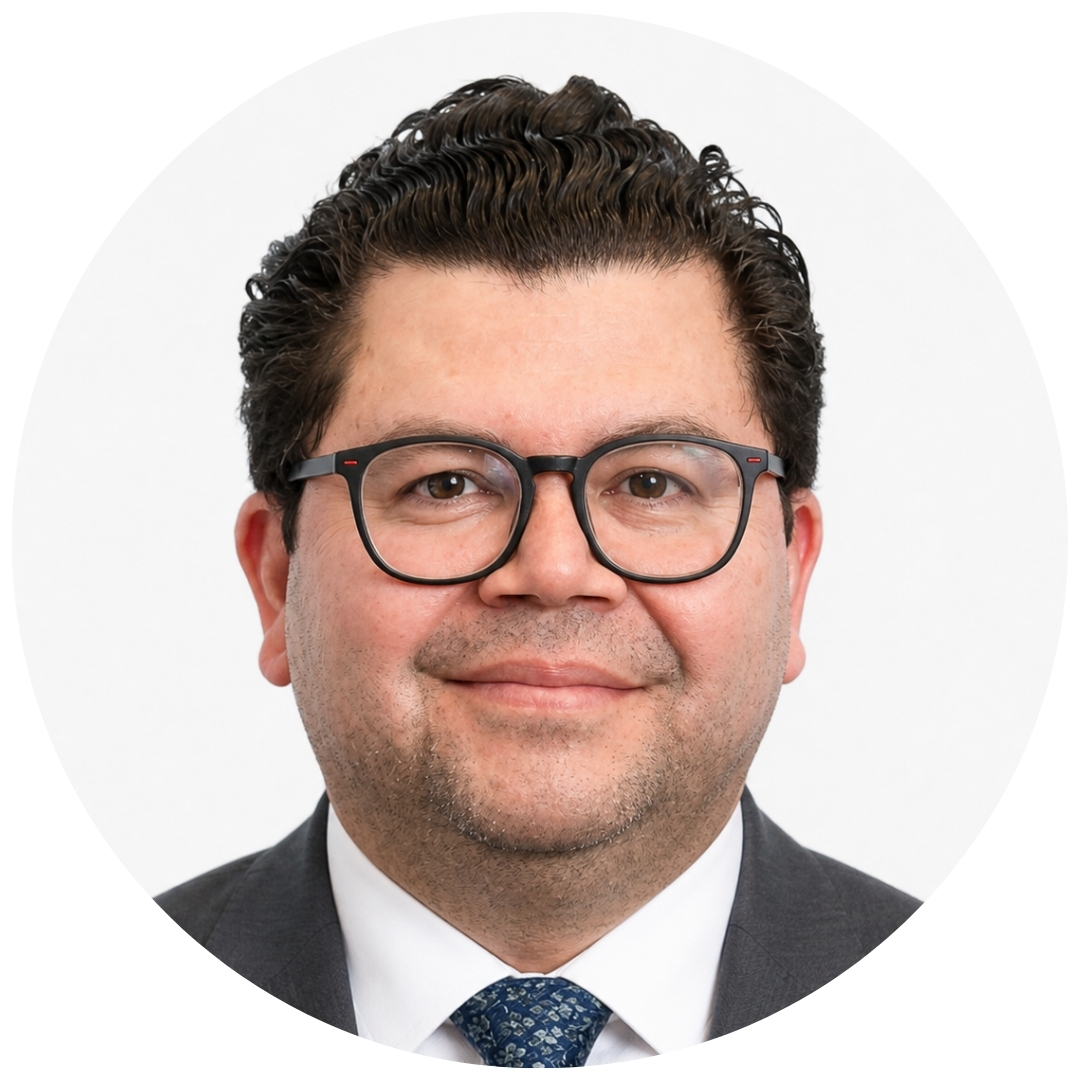
Dr. Yakir Arteaga
3.0 total clinical hours for AM & PM lectures
AM Course: Congenitally Missing Lateral Incisors: Interdisciplinary Strategies for Esthetic and Functional Success
Course Title: Congenitally Missing Lateral Incisors: Interdisciplinary Strategies for Esthetic and Functional Success
Of Interest To
- Dentists
- Hygienists
- Chairside/Clinical Assistants
- Laboratory Technicians
- Business Assistant/Office Managers
- Spouses
Synopsis
Maxillary lateral incisors are among the most common congenitally missing teeth. In the permanent dentition, their absence presents one of the greatest esthetic challenges for the clinician. A multidisciplinary approach is often the most predictable way to achieve optimal final esthetics, requiring careful consultation and coordination of treatment objectives between the restorative dentist, orthodontist, surgeon, and other specialists.
The introduction of new esthetic materials and single-tooth implant therapy has enhanced the treatment of these cases. This lecture will review the three primary treatment options for replacing missing lateral incisors: canine substitution, tooth-supported restorations, and single-tooth implants. Each modality requires specific diagnostic and clinical criteria to determine the most appropriate treatment path.
Objectives
At the conclusion of this lecture, participants will be able to:
- Identify the key diagnostic and esthetic factors involved in selecting the appropriate treatment option.
- Analyze the different treatment modalities for congenitally missing lateral incisors.
- Understand the importance of the maxillary lateral incisor in creating a balanced and harmonious smile.
PM Course: Case Selection and Treatment Options to Increase the Predictability of Esthetic Success in Implant Dentistry
Course Title: Case Selection and Treatment Options to Increase the Predictability of Esthetic Success in Implant Dentistry
Of Interest To
- Dentists
- Hygienists
- Chairside/Clinical Assistants
- Laboratory Technicians
- Business Assistant/Office Managers
- Spouses
Learning Objectives
At the conclusion of this presentation, participants will be able to:
- Discuss the importance of a team-based approach and effective communication in implant therapy.
- Evaluate the ideal implant position from both esthetic and functional perspectives.
- Identify appropriate implant and restorative component options for straightforward and complex clinical situations.
- Understand differences in treatment sequencing when using tissue-level versus bone-level implants.
Synopsis
Comprehensive treatment planning among the surgeon, laboratory technician, and restorative dentist is essential to achieving an optimal final restorative result. Predictable success in the esthetic zone depends on a thorough diagnosis, proper assessment of the implant site, understanding of tissue response, and selection of appropriate implant and restorative components.
This presentation will review traditional treatment-planning methods, including radiographs, bite registration, diagnostic casts, and model evaluation, while emphasizing the importance of clear communication among all members of the implant team. The concept of planning from the “crown-down” will be discussed as a critical principle in guiding surgical and restorative decisions.
Implant and restorative options for patients missing single or multiple teeth will be reviewed, including considerations for straightforward and complex cases. Participants will also examine the differences in design, sequencing, and clinical application between single-stage and two-stage implant protocols, as well as tissue-level and bone-level implant approaches.
Meet Dr. Arteaga
Dr. Yakir Arteaga graduated with honors from New York University College of Dentistry in 2000. He completed postdoctoral training in general dentistry at The Mount Sinai Medical Center in New York, followed by advanced training in dental implantology, cosmetic dentistry, and dental rehabilitation from 2001 to 2002.
Dr. Arteaga maintains a private practice focused on comprehensive restorative, esthetic, and implant dentistry. He has been deeply involved in dental education and resident training, having joined the Department of Dentistry at Mount Sinai Medical Center in 2002 as a Clinical Instructor and later serving as Section Chief beginning in 2004. He currently serves as a Clinical Instructor at NYU College of Dentistry in the Apa Advanced Clinical Fellowship in Aesthetic Dentistry.
Dr. Arteaga lectures both locally and internationally on esthetic, restorative, and implant dentistry. He is the Immediate Past President of the New York Academy of Dentistry and remains actively involved in advancing the Academy’s mission of education, professional fellowship, ethics, and service.
He is also Co-Founder and Secretary of World of Smiles, Inc., a nonprofit organization dedicated to advancing sustainable oral healthcare through service-learning partnerships and a permanent dental clinic in La Romana, Dominican Republic.
Dr. Arteaga has been recognized by the New York State Dental Association for his leadership in dentistry and remains active in professional organizations, regional and national committees, and editorial boards.
.tmb-thumb200.png?Culture=en&sfvrsn=ebb80feb_1 "Speaker headshots (4)")
Dr. Nate Lawson
3 clinical C.E. hours per course
AM Course: Materials and Techniques for Indirect Restorations
Lecture Title: Materials and Techniques for Indirect Restorations
Of Interest To:
- Dentists
- Chairside / Clinical Assistants
- Laboratory Technicians
Objectives:
· Differentiate the clinical indications for contemporary dental ceramic materials.
· Select appropriate preparation designs and restorative materials for indirect restorations.
· Apply evidence-based bonding and cementation protocols for ceramic restorations.
· Implement clinical techniques for adjusting, polishing, and repairing ceramic restorations.
· Incorporate research-based protocols that improve the longevity and predictability of indirect restorations.
Synopsis: This evidence-based course reviews the selection, preparation, bonding, and cementation of contemporary ceramic restorative materials. Participants will learn practical clinical strategies for selecting, handling, bonding, adjusting, and polishing indirect restorations while simplifying material selection and improving long-term clinical success.
PM Course: Materials and Techniques for Direct Restorations
Lecture Title: Materials and Techniques for Direct Restorations
Of Interest To:
- Dentists
- Chairside / Clinical Assistants
Objectives:
· Apply current evidence-based guidelines for diagnosis and management of carious lesions.
· Select appropriate materials and adhesive protocols for direct composite restorations.
· Utilize clinical techniques that improve restoration adaptation, proximal contacts, and longevity.
· Evaluate matrix systems, bonding procedures, and finishing techniques to optimize clinical outcomes.
· Incorporate current research into daily restorative procedures to improve predictability and efficiency.
Synopsis: This course reviews each step involved in successful direct composite restorations, from diagnosis and isolation through bonding, composite placement, finishing, and polishing. Attendees will gain practical, evidence-based techniques that improve restorative outcomes and increase the longevity of direct restorations.
Meet Dr. Lawson
Dr. Nate Lawson is Director of the Division of Biomaterials at the University of Alabama at Birmingham (UAB) School of Dentistry and Program Director of the Biomaterials Residency Program. He earned his DMD from the UAB School of Dentistry in 2011 and his PhD in Biomedical Engineering in 2012. His research focuses on the mechanical, optical, and biologic properties of dental materials, as well as the clinical evaluation of emerging restorative materials.
Dr. Lawson has published more than 300 peer-reviewed articles, book chapters, and research abstracts. He previously served on the American Dental Association Council of Scientific Affairs and currently serves on the editorial boards of the Journal of Esthetic and Restorative Dentistry and Compendium. An internationally recognized lecturer, Dr. Lawson presents extensively on dental materials and restorative dentistry while maintaining a clinical practice as a general dentist in the UAB Faculty Practice.
630973f839f24ee9a73dc18f0cce6e14.jpg?sfvrsn=9bfb3d05_0 "Speaker headshots (5)")
Dr. Victoria Sullivan
3 clinical C.E. hours per course
PM Course: Beyond “Too Complex”: Mastering Special Needs Dentistry
Lecture Title: Beyond “Too Complex”: Mastering Special Needs Dentistry
Of Interest To: Dentists
Objectives:
• Debunk common myths
• Improve caregiver and stakeholder engagement
• Optimize scheduling and financial models
• Navigate ethical and legal responsibilities
• Expand case acceptance
• Reduce barriers to care
Synopsis:
This course provides a practical framework for expanding safe, effective, and compassionate dental care for patients with special healthcare needs. It explores common barriers to care—including medical complexity, behavioral and sensory challenges, caregiver burden, limited provider access, and financial constraints—while offering strategies to improve case acceptance and reduce disparities in care.
Participants will develop practical approaches to medical and behavioral risk assessment, screening and triage, individualized behavior guidance, caregiver communication, consent and capacity, documentation, minimally invasive treatment, sedation and general anesthesia pathways, and appropriate practice modifications. The course emphasizes moving beyond the perception that patients are simply “too complex” to treat and instead developing individualized, tiered treatment pathways that prioritize prevention, encourage patient participation, promote safety, and improve access to quality dental care.
Meet Dr. Sullivan
Dr. Victoria Sullivan assumed the role of Chair of the Department of Pediatric Dentistry in July 2025, bringing with her nearly 30 years of experience in clinical practice, hospital-based care, and academic leadership. Throughout her career, she has demonstrated a deep commitment to improving oral health outcomes for children, especially those with complex medical and behavioral needs.
Dr. Sullivan earned her Bachelor of Science from the University of California–San Diego, followed by a Master of Science from Rutgers University. She received her Doctor of Dental Surgery from the University of the Pacific before completing a certificate in pediatric dentistry through the University of Southern California and Children’s Hospital Los Angeles. Her training provided a strong foundation for her lifelong dedication to providing compassionate, comprehensive dental care to children and adolescents.
Board-certified in pediatric dentistry since 1996, Dr. Sullivan has maintained long-term affiliations with several prestigious healthcare institutions, including Stanford University Hospital, Kaiser Permanente, Shriner’s Hospital-Houston, Dignity Health, Children’s Hospital Los Angeles, and Sutter Hospital. In these roles, she has contributed to multidisciplinary teams focused on cleft palate care, hematology-oncology patients, pediatric long-term care, and hospital-based programs such as the Avoid Readmission through Collaborative Care initiative.
Her professional interests extend beyond the clinic. Dr. Sullivan is actively engaged in research, with particular focus on behavioral management strategies for pediatric patients and the innovative use of lasers in pediatric dentistry. She has presented her work at professional meetings and remains committed to advancing techniques that improve patient comfort and outcomes.
In addition to her clinical and research endeavors, Dr. Sullivan is an active leader in organized dentistry. She is a member of the American Dental Association and serves on both the ADA’s ACE Committee and the Dental Licensure OSCE creation committee. She also holds membership in the American Academy of Pediatric Dentistry and multiple state and local dental societies, reflecting her dedication to advancing the profession and supporting the next generation of dental professionals.
With her extensive experience, collaborative approach, and passion for pediatric oral health, Dr. Sullivan continues to guide the Department of Pediatric Dentistry toward innovation in education, research, and patient care.
Continuing Education Information
New Orleans Dental Association is an ADA CERP Recognized Provider. ADA CERP is a service of the American Dental Association to assist dental professionals in identifying quality providers of continuing dental education. ADA CERP does not approve or endorse individual courses or instructors, nor does it imply acceptance of credit hours by boards of dentistry. New Orleans Dental Association designates this activity for continuing education credit. This continuing education activity has been planned and implemented in accordance with the standards of the ADA Continuing Education Recognition Program (ADA CERP) through joint efforts between the New Orleans Dental Association and the Louisiana Dental Association.
.jpg?sfvrsn=36c938b3_0 "Untitled design (61)")